
Insulation & Energy Efficiency
Make Comfort a Bigger Part of Your Home.
When a home struggles with uneven temperatures or unnecessary heat transfer, insulation and related home-performance improvements may be worth investigating. Everwell Home Co. helps Dallas–Fort Worth homeowners explore practical options for improving comfort, reducing avoidable energy waste, and making better use of their homes.
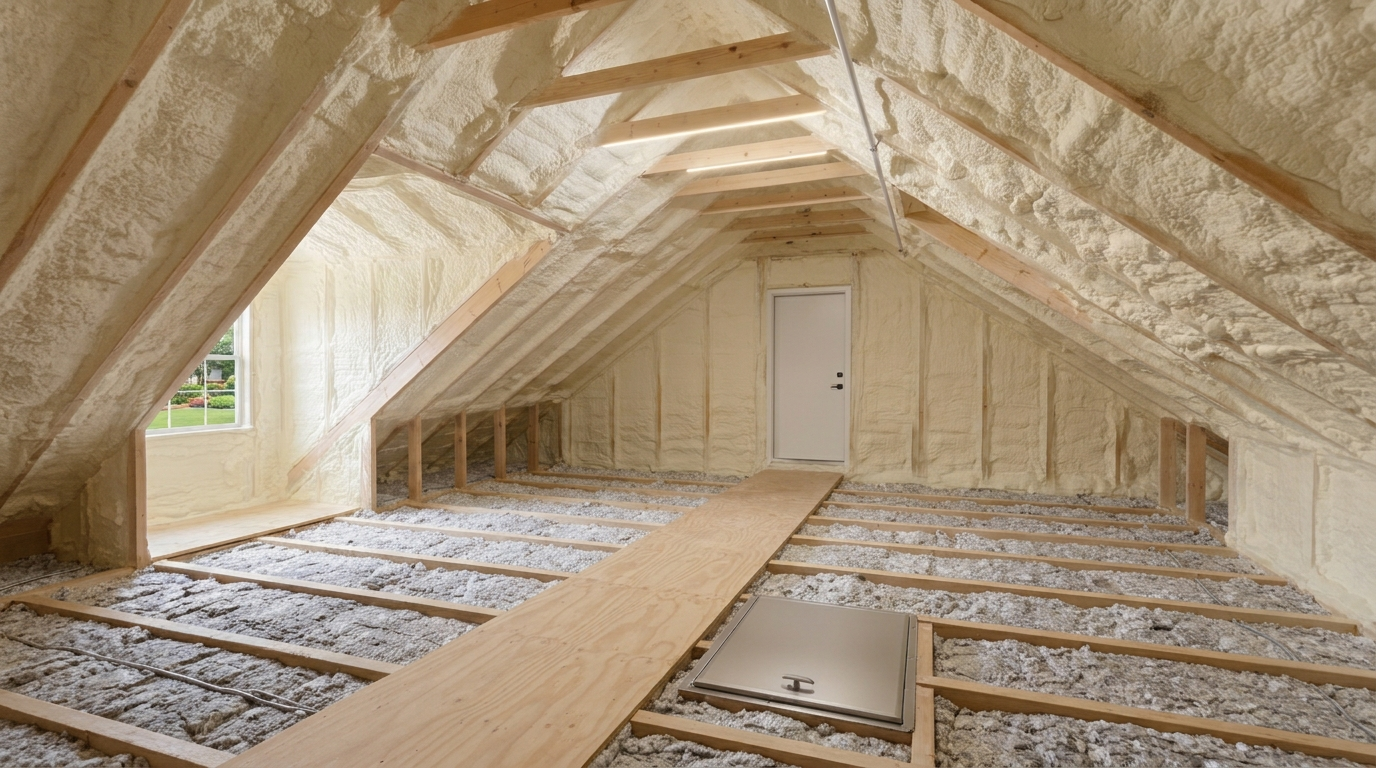
More Consistent Comfort Begins with a Better Building Envelope.
Insulation slows the movement of heat through walls, ceilings and other building assemblies. When it is missing, compressed, damaged, or inadequate for a home's conditions, indoor spaces may become harder to keep comfortable. Insulation also works alongside air sealing, ventilation, and other systems; one improvement cannot be evaluated in isolation.
Our approach starts with the concern you're experiencing and the conditions that may be relevant, rather than assuming that installing more material is always the full answer.
CAPABILITIES
Explore the Right Improvements for Your Home.
Attic Insulation
Attics can experience intense heat exposure in North Texas. The type, coverage, condition and installation of attic insulation may influence comfort in the rooms below. We can discuss adding, replacing, or correcting insulation as conditions warrant.
Wall Insulation
Wall assemblies vary considerably by home. Where access and construction conditions allow, wall insulation improvements may help reduce unwanted heat transfer. The appropriate method depends on the existing structure.
Air Sealing
Gaps around certain penetrations and building connections can allow conditioned air to escape and outdoor or attic air to enter. Carefully planned sealing may reduce drafts and unwanted airflow. It should be considered alongside ventilation and combustion safety where applicable.
Radiant Barriers
Some attic configurations may benefit from radiant-barrier strategies to address radiant heat transfer. The usefulness depends on the roof/attic assembly and correct installation.
Ventilation
Ventilation supports the movement and exchange of air, but the right approach is specific to the building. We can discuss ventilation-related concerns and whether changes should be evaluated as part of a project.
Weatherization
Weatherization may involve multiple measures, such as sealing appropriate air leaks and addressing insulation deficiencies, with an emphasis on improving overall building performance.
Thermal Assessments
Where available within the confirmed scope, thermal evaluation tools can help identify patterns worth examining. Results must be interpreted together with actual site conditions; imagery alone does not prove a specific cause.
When Might It Be Time to Look Closer?
You may want to discuss insulation and related improvements if your home has persistent hot or cold rooms, noticeable drafts, a very hot attic, visible insulation gaps, or discomfort that seems difficult to explain. These symptoms have several possible causes, and a conversation is a useful place to start.
The Right Scope Depends on the Home.
An initial consultation focuses on your goals and concerns. Depending on the property, the next step may include reviewing accessible insulation conditions, considering known air leakage issues, discussing appropriate materials, or recommending a more targeted assessment. Any proposed project should identify the actual work, affected areas, materials and limitations before you agree to proceed.
Getting Started Is Simple.
-
STEP 1
Tell Us About Your Home.
Use our consultation form to share the service you're considering, your location, and what you'd like to improve.
-
STEP 2
Discuss Your Goals.
An Everwell representative will follow up to learn more about your property, priorities, and project scope.
-
STEP 3
Explore the Right Next Steps.
Depending on your needs, the next step might be a property visit, closer evaluation, material discussion, or project-specific estimate.
-
STEP 4
Make an Informed Decision.
Review the proposed scope, options, timing, and applicable written terms before moving forward.
Good insulation can reduce certain types of heat transfer, but actual utility impacts depend on many factors, including air leakage, weather, HVAC operation, occupancy, and the scope of work. No specific bill savings are guaranteed.
Some methods may allow improvements with limited access, while others require opening building surfaces. The options depend on the existing construction and project scope.
No. The free consultation starts the conversation. Specialized diagnostic work may involve separate equipment, scope or charges, which should be disclosed before proceeding.
Yes. Changing uncontrolled air leakage can affect how a home exchanges air, so ventilation and relevant safety considerations deserve attention.
Related Services
Some comfort concerns intersect with moisture, siding or roofing conditions. If the project involves more than insulation, we'll discuss complementary services rather than assuming each issue is isolated.